Natural park in Auvergne Rhône Alpes
The most beautiful natural parks of Auvergne-Rhône-Alpes – not to be missed!
Auvergne-Rhône-Alpes is an exceptional place for nature lovers, hikers, and cyclists: whether you want to explore its rich historical heritage or have fun in the forest, you’ll always find something to enjoy! Between its regional parks, volcanic massifs, mountains, and forests, this region offers a remarkably diverse landscape and breathtaking scenery. From the Auvergne volcanoes to the wooded Vercors massif, each park offers unique activities and discoveries, but do you think you know everything about these places? This guide reveals the main regional natural parks of Auvergne-Rhône-Alpes, suggests an iconic hike for each that you absolutely shouldn’t miss, and also a unique animal species that you can only see there (if you’re lucky…).
The Auvergne Volcanoes Regional Natural Park: for a stay in the heat!
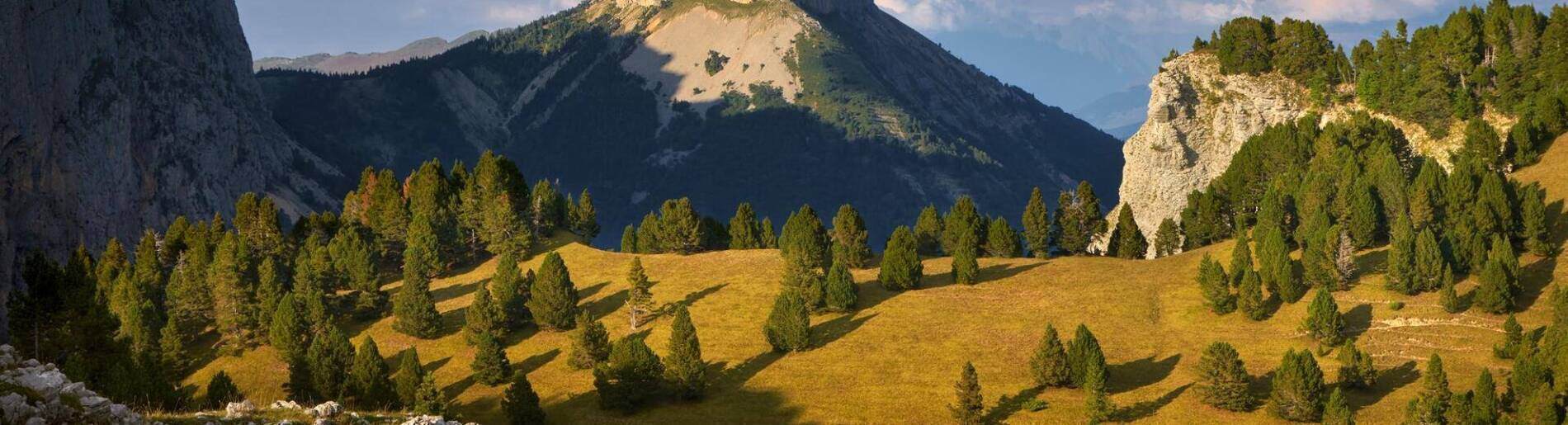
The Auvergne Volcanoes Regional Natural Park is the largest in mainland France. It covers a vast area stretching from the Puy-de-Dôme to the Cantal, encompassing spectacular volcanic landscapes, volcanic chains, extinct craters, crater lakes, and exceptional biodiversity. The park is distinguished by the beauty of its panoramic views of the volcanoes, where the region’s natural environment is fully expressed.
The park’s iconic hike: Puy de Sancy via the Chaudefour Valley
Distance: 9 km
Duration: 4 hours
Difficulty: Moderate
Highlights: Gradual ascent, views of the Aiguilles du Sancy, passage through the magnificent Chaudefour Nature Reserve, and to top it all off: the highest peak in the Massif Central (1,886 m!).
Why it’s great: A concentration of volcanoes, ridges, and glacial valleys, and an unparalleled view.
The species not to be missed: The Apollo butterfly!
In the high-altitude meadows and volcanic pastures, you can see the magnificent Apollo butterfly flitting about, an emblematic insect that is sadly becoming increasingly rare… A delicate spectacle, best observed during a break in a field of flowers, a perfect way to relax!
Tourist office address: 7 rue Léon Malfreyt, 63000 Clermont-Ferrand.
The most family-friendly option: Aubrac Regional Natural Park!
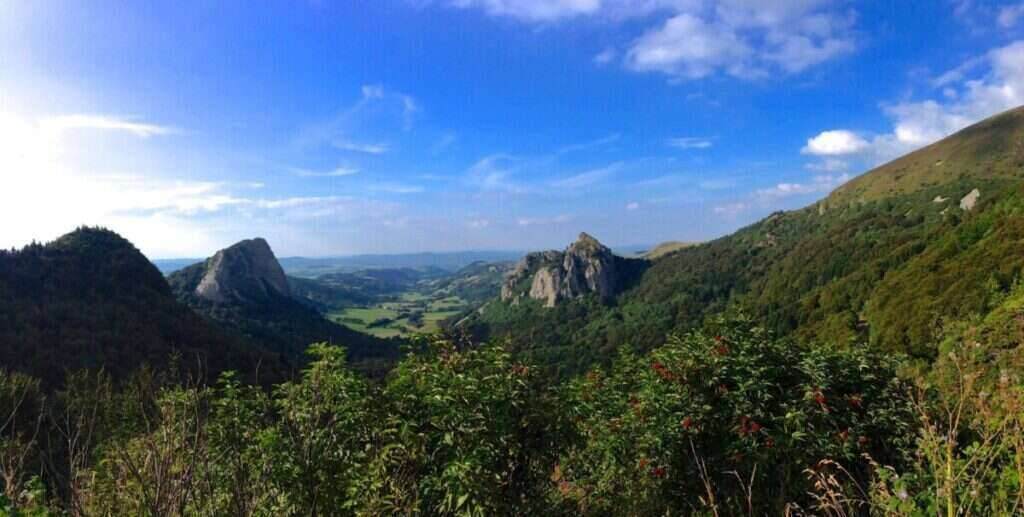
The Aubrac Regional Natural Park spans the departments of Aveyron, Cantal, and Lozère, with grassy hills, peat bogs, and wild rivers where herds of cows graze. This park is distinguished by its wild and unspoiled atmosphere, ideal for observing biodiversity and enjoying the surroundings in an open and peaceful setting.
An iconic hike is the Aubrac loop, a walking route that crosses high-altitude pastures, beech forests, and rivers, offering a complete immersion in the region’s natural mountains. By bike, the greenway allows you to explore the hills at a leisurely pace, admiring picturesque villages and panoramic views of the surrounding mountains and hills.
The park’s signature hike: From Nasbinals, passing by the Déroc waterfall, then along the summer pasture trails!
Distance: 13 km
Duration: 3.5 hours
Difficulty: Easy
Highlights: Typical summer pasture landscapes, a large waterfall cascading from a basalt flow, dry stone walls.
Why it’s great: Accessible by train, with five ski resorts nearby, making it a prime winter destination!
The species not to be missed: The Eurasian eagle-owl!
You’ll need to be a night owl for this one: the Eurasian eagle-owl, the largest nocturnal bird of prey in Europe, is one of the emblematic species of the Aubrac region. Its rarity and majesty make encountering it a truly unique experience!
Tourist office address: 15 Place du Monument, 12470 Laguiole.
The Livradois-Forez Regional Natural Park: for a complete experience!
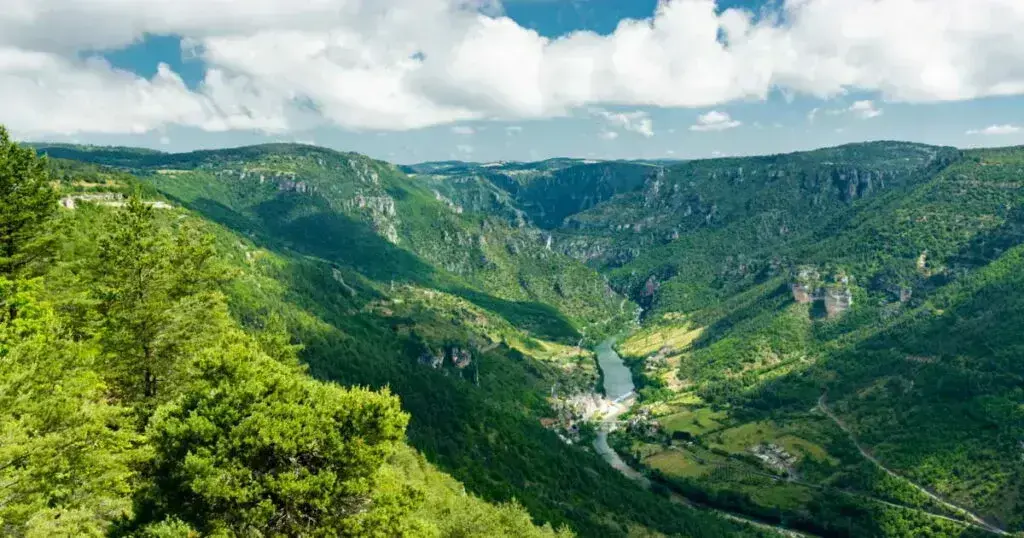
Located straddling the Puy-de-Dôme and Haute-Loire departments, this natural park is renowned for its ancient forests, rolling hills, and crystal-clear streams. Traditional houses, castles, and medieval villages complete a setting where regional culture and atmosphere intertwine.
The park’s signature hike: the loop from the Col du Béal to the high plateaus!
Distance: 11 km
Duration: 3h30
Difficulty: Moderate
Highlights: Panoramic ridges, mountain atmosphere, views of the Puy-de-Dôme.
Why it’s great: A hike offering numerous breathtaking spots, very accessible.
The species not to be missed: The stoat!
You’ll need to be observant if you hope to see a stoat, this small, elusive mustelid sometimes seen in meadows and forests, but it’s an opportunity not to be missed if you spot one! With its distinctive white fur, it blends perfectly into the snowy landscape, especially since it can live up to 3000m altitude.
Tourist office address: 2 rue de la Libération, 63550 Ambert.
Pilat Regional Natural Park, for food lovers!
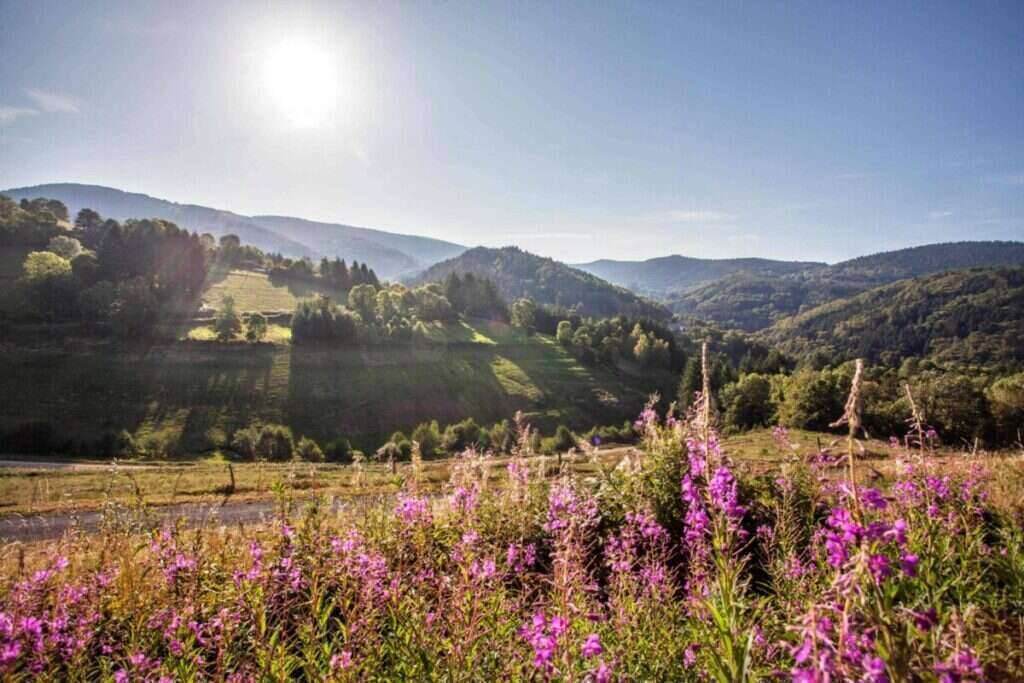
Located between the Rhône and the Loire rivers, it is characterized by its fir forests, its ridges offering spectacular views and
Its verdant hills. The diversity of its environments, ranging from wooded forests to agricultural plains, offers ideal terrain for nature and leisure activities.
The hike to the Crêt de l’Oeillon is iconic, offering panoramic views of the Rhône River and the Alps on a clear day. For cyclists, the Route des Crêtes (Crest Road) provides a varied and accessible route, with spectacular viewpoints and welcoming villages for rest. This regional park is a prime destination for combining nature tourism and sporting activities, with its 2,000 km of marked trails!
The park’s signature hikes: the Pilat ridges, the Col de l’Oeillon, and the Crêt de la Perdrix!
Distance: 6 km
Duration: 2.5 hours
Difficulty: Easy to moderate
Highlights: Summit at 1,434 m, views of the Alps, the Rhône River, and the Forez plains. Why it’s great: incredible panoramic views, and the option to extend your hike to include the Trois Dents peaks, if you enjoy climbing!
The species not to be missed: the black woodpecker!
During your walk in the Pilat forests, listen carefully: the black woodpecker, the largest woodpecker in Europe, is a remarkable species typical of these wooded areas and rarely hides, so an encounter is more than likely if you are quiet!
Tourist office address: 2 Place de l’Hôtel de Ville, 42520 Bourg-Argental.
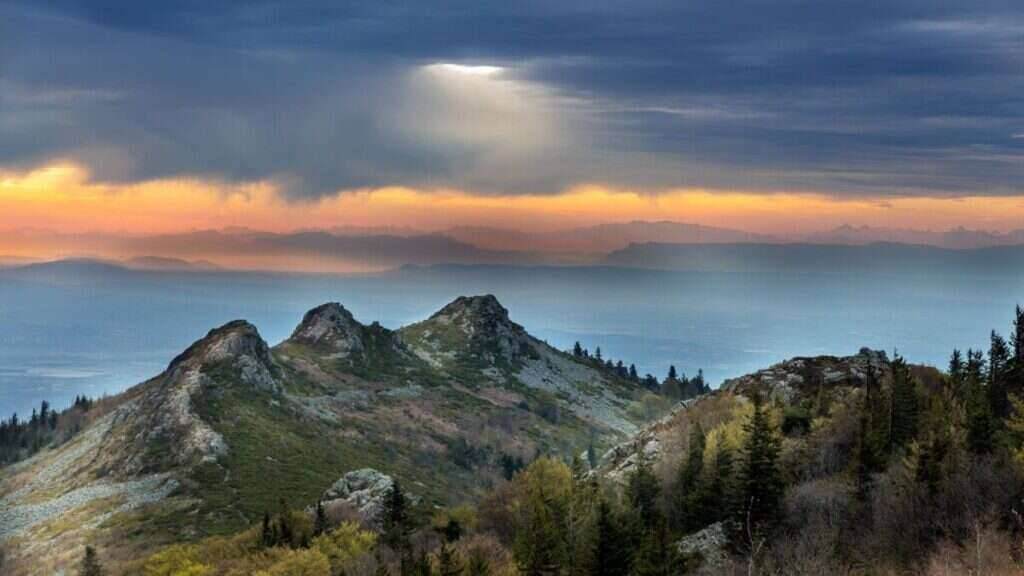
The Monts d’Ardèche Regional Natural Park, for its authenticity!
The park covers a volcanic and mountainous territory rich in forests, rivers, and gorges. This park is distinguished by its volcanic ranges and caves, offering a wild and unspoiled nature experience.
A must-do hike is the one to Mont Gerbier de Jonc, the source of the Loire River, where the trail offers breathtaking panoramic views of the Ardèche volcanoes and surrounding hills.
A species not to be missed: the goats of the Ardèche Gorges!
This variety of semi-wild goat, which can be seen near the Pont d’Arc, comes from an old, abandoned herd that thrived in the area. They now live in a semi-wild state and are well worth seeing!
Tourist office address: 20 rue des Oliviers, 07110 Thueyts.
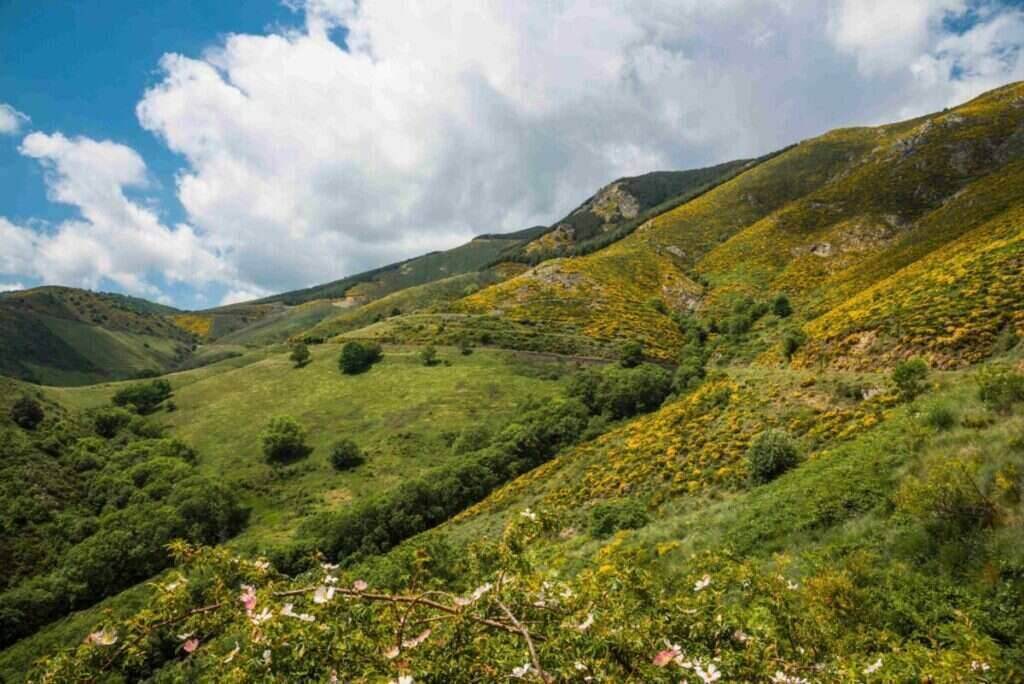
The Vercors Regional Natural Park, for its GTV (Grande Traversée du Vercors) trail!
Located at the southern tip of the Auvergne-Rhône-Alpes region, not far from Valence and Grenoble, the Vercors is famous for its steep cliffs, limestone plateaus, and the renowned Grande Traversée du Vercors (GTV), a long-distance hiking trail that allows you to traverse the area…on horseback! It combines mountain environments with unique historical sites like the Saint Antoine le Grand monastery, offering a unique setting for hiking and outdoor activities.
The park’s iconic hike: from the Hauts Plateaux to the Grotte de la Luire, and on to the Ambel plateau!
Distance: 15 km
Duration: 5 hours
Difficulty: Moderate to strenuous
Highlights: a truly wild atmosphere, vast limestone plateaus, and views of the Grand Veymont on a clear day.
Why it’s great: one of the most pristine areas of the Vercors, where you hike right through a nature reserve!
The species not to be missed: the Alpine chamois!
The chamois is THE symbol of the Vercors’ wildlife. Agile, it climbs effortlessly across cliffs, scree slopes, and steep inclines, allowing it to move through rugged, difficult-to-access terrain. Chamois live in herds (mostly females and young), and males sometimes come alone during the rutting season. If you are discreet and respectful of the area, you might be lucky enough to spot one!
Tourist office address: 4 Place de la République, 38250 Lans-en-Vercors.
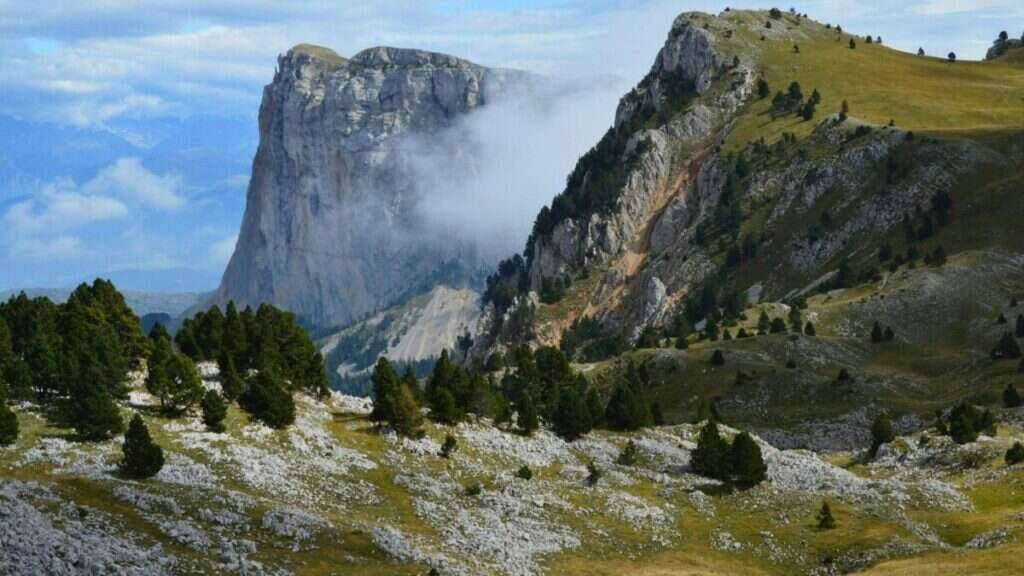
The Chartreuse Regional Natural Park, for its surprising landscapes!
This park stretches across a mountain range north of Grenoble. It is renowned for its dense forests, limestone cliffs, and biodiversity. The park combines natural and cultural heritage, with numerous monasteries and historic villages.
An iconic hike is the one to the Charmant Som, a summit offering spectacular views of the Rhône Valley and the surrounding mountains. By bike, the Monastery Route connects villages and historical sites while offering verdant landscapes and trails perfect for cycle touring enthusiasts.
A species not to be missed: the Alpine ibex
The Chartreuse Mountains are one of the massifs where the Alpine ibex has been reintroduced since 2010, thanks to a large-scale reintroduction program. It is found particularly in rocky and panoramic areas such as Granier, Grande Sure, and Grand Som, offering a spectacular sight!
Tourist office address: 42 Route de Saint-Pierre, 38380 Saint-Pierre-de-Chartreuse.
The Bauges Mountains Regional Natural Park, for its unique character!
Located between Savoie and Haute-Savoie, it is a true treasure for nature lovers and those seeking authentic experiences. This park is characterized by its deep valleys, dense forests, verdant alpine pastures, and winding streams that meander through the mountains. Here,
Nature seems untouched, and you immediately feel an atmosphere of calm and serenity, far from the hustle and bustle of the city.
This regional natural park is a place where you can reconnect with nature, breathe the pure mountain air, and enjoy the beauty of the alpine landscapes. Whether you choose hiking or a stroll through the villages, the park offers complete immersion in a preserved, authentic, and inspiring environment!
A species not to be missed: the black grouse!
The black grouse is a magnificent bird emblematic of the mountains, particularly associated with the Bauges region: it nests in the forests and alpine pastures of the massif and has a small red crest on its head. It is also called the capercaillie and can be seen up to 2,300 meters in altitude!
Tourist office address: 33 Rue du Mont Trelod, 73340 Le Châtelard.

