The caves of the Jura
Caves to visit in the Jura and its surroundings!
A Dive into the Limestone Heart of the Jura
The Jura Mountains and their foothills harbor a rich network of cavities, sinkholes, and caves sculpted by water and time. These sites offer a variety of experiences: guided tours for the general public, educational trails for families, or technical descents for speleology enthusiasts. Between majestic chambers, winding galleries, underground rivers, and spectacular formations (stalactites, stalagmites, columns), each cave tells a different geological story. Below, discover a selection of must-see caves in and around the Jura, with precise addresses and practical information to help you plan your visit.
Baume-les-Messieurs: A Jura Cave in the Heart of a Remarkable Cirque
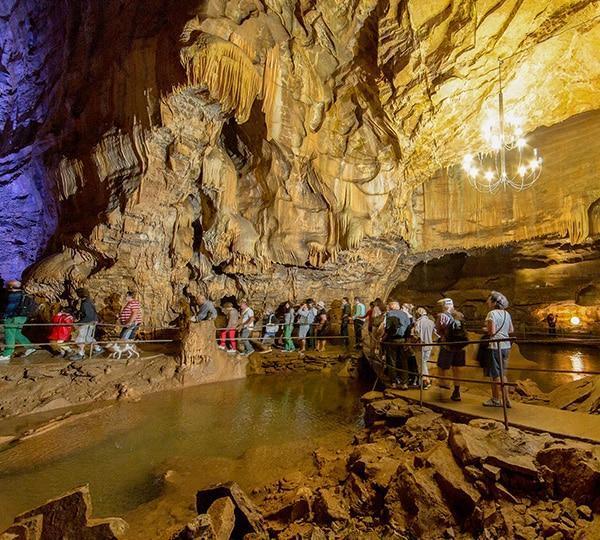
The Baume-les-Messieurs Cave opens onto an exceptional setting: a karst cirque surrounded by cliffs and waterfalls. The guided tour leads visitors through impressive chambers where concretions take on astonishing shapes, highlighted by carefully designed lighting. The site combines natural spectacle with educational value: guides and information panels explain the formation of the galleries and the evolution of the karst landscape.
Accessible to the general public, the cave is ideal for a family outing or to complement a hike in the valley. However, be aware that the floor can sometimes be damp and the temperature inside can fluctuate, requiring a light jacket and non-slip shoes. Baume-les-Messieurs is a place worth the effort!
Address: Les Grottes, 4 Place de la Mairie, 39210 Baume-les-Messieurs.
Seasonal phone number: +33 3 84 48 23 02.
Visit duration: approx. 45–60 minutes, according to online reviews.
Tickets available on site; seasonal opening hours. Consult the official website or the Jura tourist office for more information.
The Cerdon Caves: Underground Spectacular and Prehistoric Activities!
The Cerdon Caves offer an underground journey rich in caverns and limestone formations, in an area close to the Bugey vineyards. The site offers self-guided or guided tours depending on the season, as well as prehistoric-themed activities that enhance the experience for families. The stage lighting highlights the draperies and columns, and the access points are designed to accommodate visitors while preserving the formations. While there is no cave art, the walls are superb and a constant source of wonder. The proximity of hiking trails and outdoor activities makes it easy to combine a visit to the caves with a day exploring the Cerdon region and its surroundings. Online reviews are unanimous: visit these caves, they are magnificent!
Address: Cerdon Caves, 152 Chemin des Grottes, Labalme.
Website: https://www.grotte-cerdon.com
Seasonal hours: open mainly from spring to autumn, according to online reviews. See the website for more information.
Accessible to families of all ages; wear comfortable shoes and a jacket (temperature is stable).
The Hermitage Cave in Moissey: between geology and a family outing!
The Hermitage Cave, carved into the Jurassic limestone, has a unique feature: it’s outdoors! In the heart of the Serre massif, the site can be explored on an easy walk: marked trails and observation points allow you to explore the cave and its surroundings without any technical equipment. While it’s not an ornate cave like Lascaux or Chauvet, our ancestors passed through, and that’s sure to please the whole family!
In addition to the limestone formations, discover the cave-dwelling microfauna (bats, depending on the season) and the strata that tell the geological story of the valley. Interpretive panels explain the origin of the concretions and the traditional uses of the site by the locals!
Parking is available nearby, and there is pedestrian access from the village; the path can be muddy after rain, so appropriate footwear is recommended. The site is best visited in spring and autumn to avoid the intense heat and take advantage of the low light for photography. Occasional guided tours may be offered by local associations—inquire at the town hall or tourist office.
Moissey offers some accommodation (gîtes, bed and breakfasts) and basic shops; the region is also ideal for mountain biking, walks along the river, and exploring some of the most beautiful villages in the Jura region.
Address: 39290 Moissey, Jura
Visit duration: approx. 60-70 minutes, according to online reviews.
The Moidons Cave: Jura galleries and guided tours!
The Moidons Cave, located in the Jura Mountains, is renowned for its speleothem-filled chambers and its ever-changing atmosphere. Guided tours allow you to explore the developed sections while learning about the formation of stalactites, stalagmites, and other karst formations. The Moidons Cave combines easy sections with narrower passages: it
It is therefore advisable to check accessibility if you are coming with young children, a stroller, or a person with reduced mobility. The Moidons Cave’s opening hours vary depending on the season, and regular departures are offered during peak season. The visit is a wonderful opportunity to introduce children and families to geology and the fragility of the concretions.
Address: Moidons Caves, Route d’Arbois, 39800 Molain
Opening Hours: Open primarily from April to September with regular tour departures (detailed schedules can be found on the official website).
Tour Duration: Approx. 40–50 minutes, according to online reviews.
Limited accessibility for strollers/people with reduced mobility; closed-toe shoes are recommended. See the website for more information.
The Poudrey Chasm: Verticality and Karst Adventure
The Poudrey Chasm exemplifies vertical karst phenomena: deep shafts, cliff edges, and galleries descending to great depths. This type of chasm is particularly appealing to equipped and guided speleologists: the descent requires ropes, technique, and experience, or accompaniment by a local club or a professional guide. For visitors without equipment, the viewpoints and approach trails allow them to appreciate the site’s geology from the surface, in complete safety. Caution is advised, especially in wet weather when the trail markers can be slippery and the surroundings dangerous; families should be especially careful!
Address: Puits de Poudrey, lieu-dit Poudrey, 25580 Étalans
Information website: https://gouffredepoudrey.com
Access: viewpoints and approach trails are accessible; descent into the chasm is only permitted with professional speleological guidance. Visit the website for more information.
Bring hiking boots and be mindful of the weather conditions.
The Osselle Cave: a historical and touristic network!
The Osselle Cave, located in the Doubs region on the border with the Jura Mountains, is one of the best-equipped caves for tourism. Its network includes vast chambers, diverse concretions, and remains that bear witness to ancient occupations. The tour is suitable for school groups and families: guided tours, educational panels, and sometimes workshops for children are offered. The stable temperature inside makes it a pleasant place to visit year-round, but it’s advisable to bring a light jacket. Osselle is ideal for a half-day outing or as a stop during a nature-focused trip in the Jura Mountains.
Address: Osselle Cave, 42 Route des Grottes, 25320 Osselle-Routelle. Official website: http://grotte-osselle.fr Visit duration: approx. 45–60 minutes. Opening hours and prices vary depending on the season; tickets available on site and sometimes group bookings possible. See the website for more information. Accessible and suitable for families; bring a light jacket.
Tips for planning your cave visits in the Jura: Check opening hours and seasonal closures: many caves are open mainly from spring to autumn and may close outside of these seasons. Consult the official websites or the local tourist office before setting off.
Equipment: for developed caves, closed shoes and a light jacket are sufficient; for sinkholes and undeveloped cave systems, technical equipment and caving guides are essential.
Please follow the guidelines: do not touch the concretions (they form over thousands of years), respect the barriers and prohibitions, and avoid using flash photography if the site requires it.
Weather safety: during periods of heavy rain, some access points and surrounding areas can become dangerous; for underground rivers, the flow rate can increase rapidly.
Audience: the developed caves are suitable for families and curious visitors; caving enthusiasts will find suitable sites but should contact local clubs for technical descents.
Photography: the lighting in the caves is controlled; choose a camera that performs well in low light and avoid using flash photography on signs prohibiting it.
Suggested routes and activities around the caves
Combining a cave visit with hiking allows you to appreciate the diversity of the Jura landscapes: wooded plateaus, gorges, waterfalls, and heritage villages. For example, after Baume-les-Messieurs, explore the village and its waterfalls; around Cerdon, combine an underground visit with discovering the local produce and wines of the Bugey region; from Osselle, enjoy hiking trails along the cliffs and nearby valleys. For families, opt for caves with visitor facilities and educational workshops; for hikers, include stops at viewpoints and limestone plateaus that offer panoramic views of the Alps on a clear day.
Why are these caves worth a visit?
Each cave has its own unique character: Baume-les-Messieurs…
For its spectacular setting, the Cerdon caves offer prehistoric activities and a connection to local heritage and tourism; the Moidon caves showcase authentic Jura charm; the Poudrey caves offer verticality and adventure; and the Osselle caves boast tourist amenities and a well-developed network. These caves illustrate the history of karst formations in the region and offer complementary experiences, accessible to both families and adrenaline junkies. They also contribute to raising awareness about the protection of the subsoil and cave biodiversity.
The Jura caves reveal an underground world rich in remains and natural wonders, attracting history buffs and families seeking fun walks and nature tourism. In these limestone valleys, one discovers draperies, concretions, and underground rivers reminiscent of the great Paleolithic caves of the Périgord Noir or the Pech-Merle cave with its drawings, a facsimile of prehistoric art. The prehistoric sites near the Vézère Valley, including listed prehistoric caves, offer a fascinating parallel with Lascaux II, the Pont d’Arc cave, and the Aven d’Orgnac, a treasure trove of stalactites and spectacular chambers.
Visitor options are varied: cave entrances equipped for virtual tours, trails and tourist trains, or caving descents for the more adventurous. Mammoth tracks and Upper Paleolithic tools are sometimes discovered, evidence of the presence of Homo sapiens and Homo in these caves. To extend your getaway, campsites, bed and breakfasts, and chalets in the mountains or near the lake offer comfortable accommodations; some campsites offer canoeing, kayaking, or rowing on the river upstream, ideal for combining hiking, mountain biking, and river trips.
The Jura region also reveals itself as a vast center for natural and underground tourism for heritage enthusiasts: between villages listed among the most beautiful villages in France and research sites and excavation sites, between caves and hiking trails, the choice is endless. Between natural archways, prehistoric caves, and cave-dwelling fauna, every visitor will find their perfect itinerary—from the family outing to the seasoned speleologist, not forgetting the camper curious about the underground world!

